-
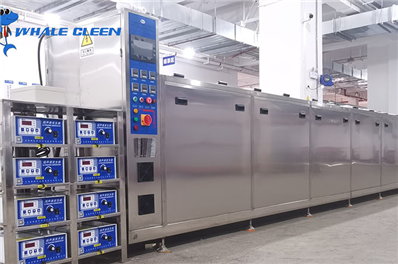 What Type of Water Pump is Used in Ultrasonic Cleaning Machines? A Detailed Analysis
Ultrasonic cleaning technology is widely used in various industries due to its efficient cleaning performance, particularly in precision cleaning. This technology relies on high-frequency sound waves to create cavitation bubbles in a cleaning liquid, whic
-
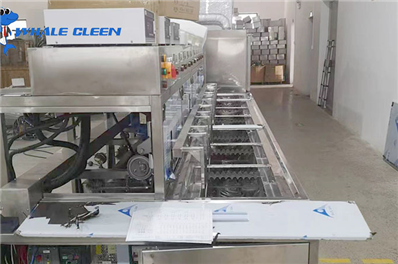 Choosing the Right Water Pump for Ultrasonic Cleaning Machines: A Professional Guide
Ultrasonic cleaning is a highly efficient method for cleaning delicate parts, equipment, and instruments, commonly used in various industries such as healthcare, electronics, automotive, and manufacturing. This process employs high-frequency sound waves,
-
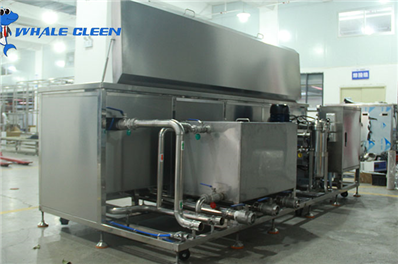 Optimal Frequency and Scope of Complimentary Maintenance for Ultrasonic Cleaning Machines
In the realm of industrial equipment maintenance, particularly concerning ultrasonic cleaning machines, the provision of complimentary maintenance services holds paramount importance. These services, offered typically by manufacturers or suppliers, aim to
-
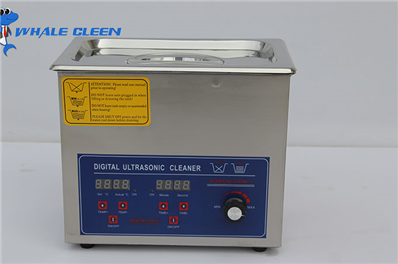 Ultrasonic Cleaning Machines: Unparalleled Precision in Detail Cleaning
In the ever-evolving landscape of manufacturing, the cleanliness and surface quality of products play a crucial role in determining the final quality and performance. The ultrasonic cleaning machine, as an efficient and precise cleaning tool, stands out w
-
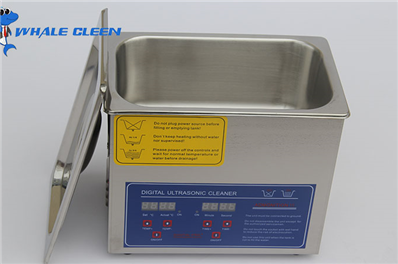 The Pinnacle of Cleaning: Ultrasonic Cleaning Equipment's Efficient and Eco-Friendly Approach
In the landscape of modern industrial production, the evolution of cleaning technologies plays a pivotal role in ensuring product quality, enhancing production efficiency, and promoting environmental sustainability. Ultrasonic cleaning equipment, recogniz
-
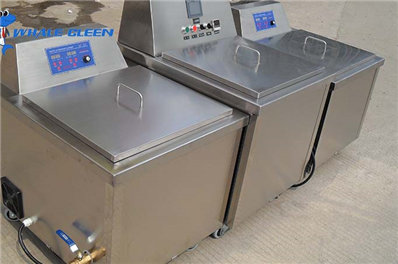 Full automatic ultrasonic cleaning machine for hydraulic cylinder tube
To realize the batch cleaning of the hydraulic cylinder, and to ensure the cleanliness of the cylinder surface after cleaning to meet the assembly requirements, it is necessary to design a proper cleaning process and cleaning equipment. Considering that t
-
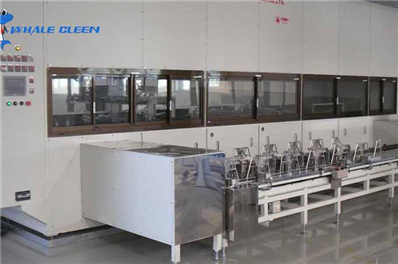 Same Ultrasonic Cleaning, Why Are Some Aerospace Fastener Yield Rates So Much Higher?
In aerospace manufacturing, few quality metrics are as unforgiving as fastener cleanliness. A single micro-fastener — a titanium alloy bolt, a high-strength steel screw, a threaded insert — can carry cutting fluids, lapping compounds, or microscopic metal
-
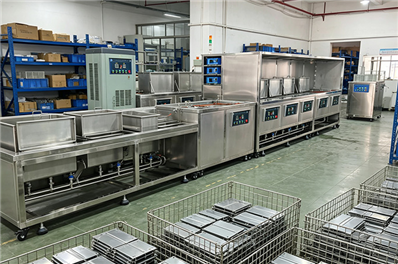 Ultrasonic Cleaning Machine: The Definitive Solution for Rust and Oil Contamination That Spray Cleaning Leaves Behind
In metal parts manufacturing and heavy equipment maintenance, few scenarios are as frustrating—and as costly—as the inspection failure that follows an inadequate cleaning process.The scenario plays out in workshops every day: a batch of precision metal co
-
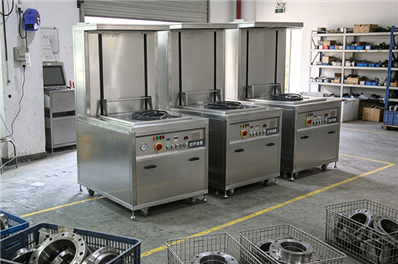 Why Are Leading Manufacturers Switching to Industrial Ultrasonic Automated Cleaning Machines for PCB Cleaning?
Walk into any modern electronics manufacturing facility, and you will notice a striking pattern. The factories that consistently deliver high-quality PCBs—with minimal defects, predictable throughput, and low rework rates—have one thing in common: they ha
-
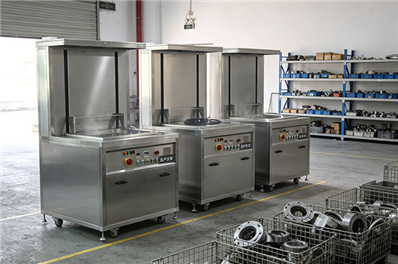 PCB Water Spots and White Residue After Cleaning? This Automated Ultrasonic Cleaner Saved Our Yield
For electronics manufacturers, few things are more frustrating than watching a batch of perfectly assembled PCBs emerge from the cleaning line covered in unsightly water spots and chalky white residues. The boards looked flawless before cleaning. Now they
-
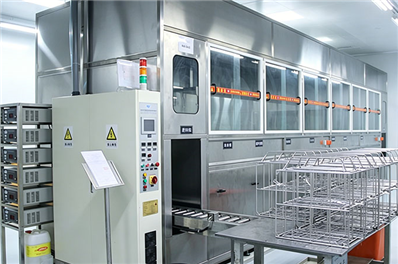 Precision Bearings Prone to Chipping and Scratching? Automated Ultrasonic Cleaning Machine Avoids Component Damage
Precision bearings are the lifeblood of modern mechanical transmission systems—from automotive drivetrains and high-speed machining spindles to aerospace actuators and industrial gearboxes. Yet, in countless workshops and production lines, the delicate ta
-
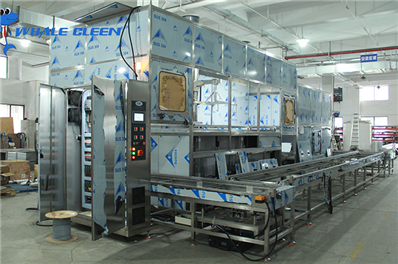 Want to Extend Turbine Disk Service Life? What Are the Key Selection Criteria for Ultrasonic Cleaning Machines?
In an aircraft engine overhaul shop, few components carry more weight—literally and metaphorically—than the turbine disk. Often described as the “backbone” of the engine, the turbine disk is a precision‑engineered component manufactured from nickel‑based